In the Gita Krishna says मासानां मार्गशीर्षोहं, among the months, I am Margashirsha. This month is considered auspicious, a time when nature turns inward. The trees shed their leaves, symbolizing renunciation and preparation for renewal.
The Yogic tradition associates Margashirsha with Muladhara. Muladhara is the seat of stability, survival, and connection to the earth element. During this season, the grounding energy is heightened—inviting us to stabilize, conserve, and prepare for the blossoming ahead. The Muladhara accumulates solar energy. The sun is the symbol of Prana, the life-force. As the external environment becomes bare and quiet, the inner fire is most potent. Spiritual practices during Margashirsha emphasize grounding and awakening.
The seasonal dominance of the sun during Margashirsha doesn’t just affect nature outwardly but subtly reconfigures human rhythms and roles.
Men, who traditionally may not rise as early, are stirred by this solar energy into early-morning devotion—engaging in nama sangeerthanam, collective chanting that aligns them with the rising light. Men’s early rising and chanting is a vocal offering to the sun. The sound vibrations mirror the solar radiance, awakening the community to harmony. In this way, men embody the rising energy outwardly, while women embody it inwardly through form and design.
Women, traditionally the early risers, seem to channel this solar impulse differently: into geometry and design, manifesting energy through Rangoli patterns at the threshold of the home. The passion for intricate designs is not mere decoration—it’s a geometric meditation. Each Rangoli becomes a yantra-like expression, grounding solar energy into earth patterns. The act of drawing is itself a ritual: the woman becomes the geometer, weaving Prana into symmetry, stabilizing the household’s energy field.
The interchange of roles reflects the fluidity of Shakti and Shiva: action and stillness, sound and form, devotion and geometry. Margashirsha becomes a living reminder that gendered roles are not fixed—they are responsive to cosmic rhythms. It’s beautiful to see how cosmic energy manifests as cultural practice: the sun’s dominance reshapes daily life into a dance of chant and design, sound and geometry.
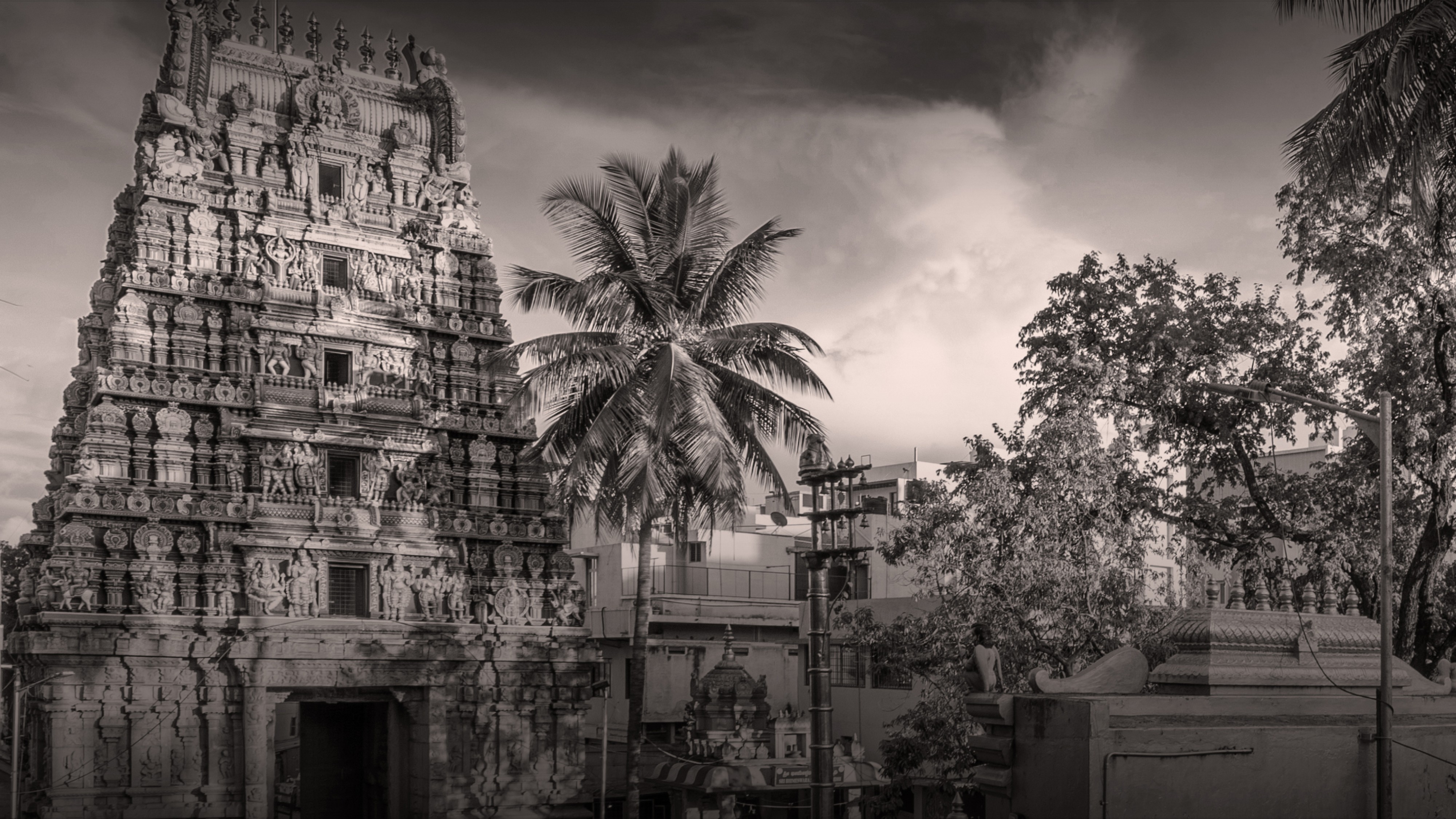
The temples of Lord Vishnu become the axis of daily life. The temple becomes both a sanctuary and a cosmic hub. The individual devotion merges into collective energy. Andal’s Tiruppavai verses are sung, embodying longing and surrender to Vishnu. Vishnu Sahasranamam, the thousand names of Vishnu are recited, invoking his infinite qualities. Lalita Sahasranamam, the thousand names of the Divine Mother are chanted, balancing the masculine and feminine energies. Together these recitations weave a triple garland of devotion—bhakti expressed in poetry, mantra, and praise.
The period before sunrise is Brahma Muhurtham—literally “the hour of Brahman.” It is said to be the time when Devas themselves engage in worship, and human beings who align with this rhythm receive maximum spiritual benefit. Practices like chanting, meditation, and scriptural study during this time are magnified in their effect. The Brahma Muhurtham connects the devotee to cosmic rhythms.
During Dhanurmasa, householders are encouraged to practice Brahmacharyam—a discipline of restraint, purity, and focus. This temporary vow is not just abstinence but a conscious redirection of energy toward devotion and Tapasya. The discipline prepares the mind and body for deeper spiritual ascent.
Many devotees undertake pilgrimages to hills during this month, symbolizing the ascent of consciousness. The most renowned is Sabarimala, where devotees observe a strict 41-day fasting and austerity before the pilgrimage. This period of fasting, simplicity, and discipline is seen as a purification—burning away impurities so that the inner flame shines brighter.
This period is not just a season—it’s a sacred alignment where devotion, discipline, and culture converge.
 baladrishti